Hey everyone, it’s Mia here from the plastic gear shop – for those who don’t know, I’ve been supplying custom molded plastic gears to everything from tiny drone manufacturers to commercial conveyor belt teams for 7 years now. If you’ve ever dealt with plastic gears, you already know the struggle: order a batch that looked perfect when it left the shop, but when you go to install them 3 months later, half are warped, some are sticky, and a few even have tiny cracks that weren’t there before. I’ve seen it happen way too many times – not because the gears themselves are bad, but because they got stored wrong. That’s why today I’m breaking down exactly how to store plastic gears properly, no fancy lab gear needed, just real, testable stuff I’ve learned from my own customers’ headaches and my own shipping mistakes. Plastic Gear
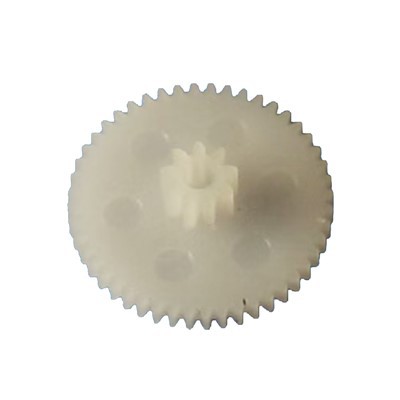
First off, let’s get one thing straight: plastic is not metal. I know everyone’s used to storing metal parts in a dry box or on a shelf, but plastic has a whole set of annoying (and totally predictable) quirks that metal doesn’t. Most of the gears I supply are made from common, easy-to-work-with plastics like acetal (Delrin, if you know the brand), nylon, and PETG – each of these reacts differently to their environment, so one-size-fits-all storage doesn’t cut it. I can’t tell you how many times a customer would call me panicking because their nylon gears got left in the back of a garage over winter and shrank to half size. Nylon absorbs moisture like a sponge, for starters, and even if it’s not that extreme, temperature swings, UV light, and even dust can ruin a perfectly good gear faster than you’d think.
Let’s start with the biggest enemy number one: temperature and humidity. This is non-negotiable, I swear. I used to store extra stock in my office closet and in the back of my warehouse, and after a summer where the warehouse hit 95 degrees and 70% humidity, I lost a whole batch of acetal gears that had warped so bad they wouldn’t fit in a standard gear puller. What’s the sweet spot? For most of the plastics I work with, aim for 60 to 75 degrees Fahrenheit, and humidity between 40% and 55%. That’s not some random number I pulled out of thin air – we run tests on every gear we ship, and that’s the range where the plastic’s molecular structure stays stable.
Now, how do you actually maintain that? If you’re a small business with a closet, skip the fancy climate control unit – just stick them in a spare bedroom or a storage area that doesn’t get direct sun or next to a heater/AC unit. If you’re a bigger operation, invest in a cheap hygrometer (they’re like $10 on Amazon, no joke) to check humidity levels monthly. If it’s too dry, toss in a small open container of water to add a little moisture; if it’s too humid, get a dehumidifier for the storage space. I keep a small hygrometer in my warehouse at all times, and it’s saved me hundreds in lost stock already. One thing people don’t realize: even a few days of being stuck in a hot, humid space can mess up gears. I had a customer once who stored a batch of gears in their truck bed over a weekend while waiting for their machine to get fixed – by Monday, the gears were sticky and started to degrade as soon as they touched them. Don’t make that mistake.
Next, avoiding UV light. Plastic is basically like a vampire when it comes to sun and even strong indoor UV light from LEDs or fluorescent bulbs. Over time, UV radiation breaks down the plastic’s polymer chains, leading to brittleness, discoloration, and tiny surface cracks that will cause your gears to fail way earlier than they should. I learned this the hard way last year when I left a sample batch out on my showroom counter for 2 weeks to show a customer – when I went to pack them up, the edges were cracked, and one gear broke in half when I picked it up. Oops. So storage space needs to be completely dark. No windows in your storage closet? Perfect. If you have to use a space with lights, get blackout curtains or cover the shelves with thick cardboard. Avoid any kind of UV exposure at all costs. Even indirect sunlight through a window is bad, so don’t put gear boxes on window sills.
Then there’s how you actually stack and arrange the gears. This is another mistake I see all the time, especially with spur gears or bevel gears that have sharp teeth. If you just dump a pile of gears into a cardboard box and stack heavy stuff on top, you’re going to get deformed teeth. Plastic is softer than metal, so it doesn’t bounce back. I learned this when I started out – I’d pack bulk orders in regular cardboard boxes, and about 10% of the gears had flattened teeth when they arrived. Now, we use two main methods for our stored gears: either individual plastic bags (low-density polyethylene, the kind you get at grocery stores, works fine) where we place one gear per bag, or we use dividers in plastic bins to separate each gear so they don’t touch each other or get pressed. If you need to stack them, make sure the heaviest items are at the bottom, and never stack more than 10 gears high without dividers – trust me, even 5 nylon gears stacked on top of each other can flatten the lower ones. Pro tip: if you’re storing gears with precision teeth (like for robotics or medical equipment), wrap each one in acid-free tissue paper first to prevent scuffs and keep them from sticking to the plastic bag.
Speaking of sticking – that’s the next big thing. Some plastics, like nylon and even acetal, can stick together if they’re stored in a warm, humid space for too long. I once had a customer who had a batch of 100 nylon gears that stuck together so bad they had to pry them apart, and half the teeth broke off in the process. How do you prevent that? Don’t wrap them in plastic alone – toss a tiny silica gel packet (the kind that comes in shoe boxes or electronics packaging) into each bag or bin. Silica gel absorbs excess moisture that causes the sticking, and it’s cheap. Just make sure you don’t eat them (obviously), and if you’re storing gears for more than 3 months, replace the silica gel every 6 months – they stop working after a while. For gears that are extra sensitive, like PETG ones, you can also put a small layer of talcum powder (food-grade, if you’re using them for food machinery) between layers, but be gentle – too much powder can get in the gear and cause issues when you install it.
Wait, let’s talk about different plastics specifically, because one size does not fit all. If you’re storing acrylic gears, they’re more prone to scratching and cracking, so even more protection. For Teflon-coated gears, avoid storing them with anything that has sharp edges, and don’t stack heavy stuff on them. But the most important one is nylon, as I mentioned earlier – it absorbs moisture over time, so if you’re storing nylon gears for more than a month, you need to either seal them in an airtight container with silica gel or dry them in an oven at 175 degrees for a few hours before storage. If you don’t dry them, when you go to use them, they’ll absorb atmospheric moisture, which can cause them to swell, and they might not fit properly. I’ve had a customer who installed a batch of un-dried nylon gears in a conveyor belt, and within a week they had swelled so much they jammed the whole system. That’s a $10,000 mistake he told me, all because he skipped a 2-hour drying step.
Now, how long is too long to store plastic gears? This is a question I get all the time. Most plastic gears have a shelf life of about 1 to 2 years if stored properly, but that’s not a hard rule. Acetal gears can last up to 3 years in the right conditions, while nylon ones are around 18 months. If you go past that, even if they look fine, the plastic starts to degrade internally – you might not see cracks or warping, but the tensile strength drops, and they’ll break under load way easier. So don’t order a year’s worth of gears and stick them in a closet, thinking you’ll use them eventually. Only order what you need for the next 6 to 12 months, unless you have a proper storage set up.
What about common mistakes people make? Let’s list those out so you can avoid them. First, storing gears near chemicals or solvents – even if they’re sealed, fumes from paint, cleaning supplies, or gasoline can react with plastic and cause discoloration, brittleness, or swelling. I had a customer once who stored gears in a garage next to a gas can, and the fumes made all the gears sticky within 3 months. Second, not labeling your storage bins. I can’t tell you how many times a customer calls me saying they have old gears and don’t know what size or material they are, so they can’t use them. Write the part number, material, and date stored on every bin or bag – it takes 2 seconds and saves a ton of time later. Third, moving gears around roughly. Even if they’re stored right, tossing a bin of gears into a truck or slamming a door can chip teeth or cause small cracks that you can’t see, but will fail later.
Now, if you’re a supplier or a big company storing hundreds of gears, what’s the best long-term storage solution? We use plastic shelving units in our warehouse, all in a back room with no windows, a dehumidifier that runs 24/7, and hygrometers mounted every 10 feet. We also have a first-in, first-out system – we use the oldest stored gears first, so none expire unused. For bulk shipments, we seal orders in vacuum-sealed bags with silica gel packets, which keeps them stable for up to 2 years, perfect for long-distance shipping or storage before delivery.
Wait, one last thing – inspecting gears before you use them. Even if you did everything right storing them, always check them before installation. Look for warping (hold two gears up to a light and see if there’s a gap between them), check for tiny cracks along the teeth or edges, feel for stickiness, and test the fit of a small gear into its mating gear to make sure it works. I tell all my customers to do this, because sometimes even the best storage can have a surprise, and it’s way easier to catch it before you install it in a machine that costs thousands of dollars.
At the end of the day, storing plastic gears properly is all about being intentional – it’s not rocket science, but it’s the difference between gears that last 10,000 cycles and gears that fail after 1,000. I’ve seen too many projects delayed, too much money wasted, all because someone didn’t pay attention to where they put their plastic parts. If you’re a manufacturer, maintenance team, or hobbyist working with plastic gears, and you need help picking the right gears, or have questions about storing your current stock, hit us up to connect and talk through your needs. We supply custom and standard plastic gears for all kinds of applications, and we’re always happy to help you avoid the headaches that come with bad storage.
Plastic Gear References
ASM International. (2008). Plastics in Design and Manufacturing. ASM International.
Plastics Industry Association. (2021). Guidelines for Storage and Handling of Molded Plastic Components. Plastics Industry Association.
NASA. (2019). Material Storage Guidelines for Polymer Components. National Aeronautics and Space Administration.
Ningbo Xinyu Automotive Electronics Co., Ltd.
With abundant experience, we are one of the most professional plastic gear manufacturers and suppliers in China. We warmly welcome you to wholesale customized plastic gear from our factory. If you have any enquiry about quotation, please feel free to email us.
Address: Zhujiadu Village, Sanqizhen, Yuyao City, Zhejiang Province
E-mail: xyautoelec@163.com
WebSite: https://www.xyautoelec.com/
