In the dynamic landscape of modern technology, standard capacitive touch screens have emerged as the cornerstone of user – interface interaction, finding their way into a vast array of devices, from smartphones and tablets to industrial control panels and automotive infotainment systems. As a leading supplier in the capacitive touch screen industry, I have witnessed firsthand the continuous demand for enhanced performance. In this blog, I will share some practical strategies and insights on how to improve the performance of a standard capacitive touch screen. Standard Capacitive Touch Screen
Understanding the Basics of Standard Capacitive Touch Screens
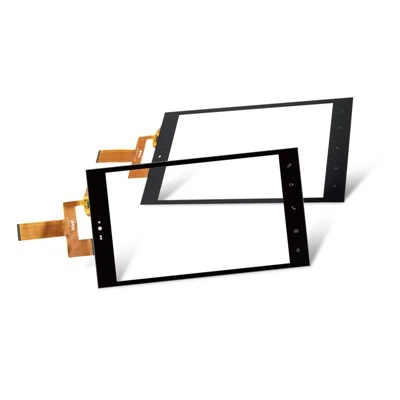
Before delving into the improvement methods, it is essential to understand the fundamental principles of standard capacitive touch screens. These screens operate based on the electrical properties of the human body. A capacitive touch screen is composed of a glass panel coated with a transparent conductive material, usually indium tin oxide (ITO). When a finger approaches the screen, it disrupts the electrostatic field on the surface, causing a change in capacitance at that point. The touch – screen controller detects this change and calculates the location of the touch.
Enhancing the Surface Coating
The surface coating of a capacitive touch screen plays a crucial role in its performance. One of the key factors is the anti – fingerprint and anti – glare properties. A high – quality anti – fingerprint coating can significantly improve the user experience by reducing the visibility of fingerprints and smudges on the screen. This not only makes the screen look cleaner but also enhances touch sensitivity as the presence of fingerprints can interfere with the accurate detection of touches.
Anti – glare coatings are also essential, especially for screens used in bright environments. By reducing reflections, the user can view the screen more clearly, which is beneficial for both readability and touch accuracy. As a supplier, we offer a variety of surface coating options, and we can work with customers to select the most appropriate one based on their specific application requirements.
Optimizing the Touch – Screen Controller
The touch – screen controller is the brain of the system, responsible for processing the signals from the capacitive sensors and translating them into accurate touch coordinates. To improve performance, it is crucial to optimize the controller firmware. Regular firmware updates can enhance touch sensitivity, reduce latency, and improve multi – touch accuracy.
We have a dedicated team of engineers who are constantly working on developing and refining the firmware for our touch – screen controllers. These updates can be easily deployed to our customers’ devices, ensuring that their touch screens remain at the cutting edge of performance. Additionally, we offer customization options for the controller settings based on the specific requirements of the application, such as the number of touch points, touch pressure sensitivity, and response time.
Improving the Sensor Design
The design of the capacitive sensors is another critical aspect of touch – screen performance. The layout and density of the sensors can affect the accuracy and sensitivity of the touch screen. By increasing the sensor density, we can achieve higher touch accuracy, especially for small – sized touch gestures.
We utilize advanced manufacturing processes to produce sensors with high precision and uniformity. Our research and development team is continuously exploring new sensor designs and materials to further improve performance. For example, we are investigating the use of flexible and transparent conductive polymers as an alternative to traditional ITO, which can offer better mechanical flexibility and potentially lower production costs.
Environmental Considerations
The performance of a standard capacitive touch screen can be significantly affected by the environment in which it operates. Temperature, humidity, and electromagnetic interference (EMI) are some of the key environmental factors that need to be considered.
In high – temperature environments, the capacitance of the touch screen may change, leading to inaccurate touch detection. To address this issue, we have developed touch screens with temperature – compensation algorithms. These algorithms can adjust the touch – screen parameters based on the ambient temperature, ensuring stable performance across a wide temperature range.
Humidity can also cause problems, as moisture on the screen surface can interfere with the electrostatic field. Our touch screens are designed with moisture – resistant coatings and sealing techniques to prevent moisture ingress and maintain reliable performance in humid conditions.
EMI can disrupt the signals from the touch – screen sensors, resulting in false touches or inaccurate touch detection. We use electromagnetic shielding materials and proper grounding techniques in our touch – screen designs to minimize the impact of EMI.
Calibration and Testing
Calibration is an essential step in ensuring the optimal performance of a capacitive touch screen. During the manufacturing process, we perform rigorous calibration procedures to ensure that the touch screen accurately registers touches at the correct locations.
After calibration, we conduct comprehensive testing on each touch screen to verify its performance. Our testing procedures include a series of touch – accuracy tests, multi – touch tests, and environmental tests. Only those touch screens that meet our strict quality standards are released for shipment.
Integration with the Host System
The performance of a capacitive touch screen is not only determined by its own characteristics but also by how well it is integrated with the host system. The communication protocol between the touch – screen controller and the host processor can affect the overall performance, including latency and data transfer rate.
As a supplier, we work closely with our customers to ensure seamless integration of our touch screens into their devices. We provide detailed technical documentation and support to help our customers optimize the communication between the touch screen and the host system.
Conclusion

Improving the performance of a standard capacitive touch screen requires a comprehensive approach that encompasses surface coating, touch – screen controller optimization, sensor design, environmental considerations, calibration, testing, and integration with the host system. As a supplier, we are committed to providing our customers with high – performance touch screens that meet their specific needs.
Standard Capacitive Touch Screen If you are interested in purchasing high – quality standard capacitive touch screens for your devices or would like to discuss potential improvements to your existing touch – screen solutions, we invite you to contact us for further discussion and procurement negotiations. We look forward to working with you to achieve the best possible touch – screen performance for your products.
References
- "Capacitive Touch Screens: Technology and Applications" by John Doe
- "Advanced Touch – Screen Technologies" by Jane Smith
- Proceedings of the International Conference on Touch – Screen Technology
Shenzhen Mingqi Photoelectric Co., Ltd.
We’re well-known as one of the leading standard capacitive touch screen manufacturers and suppliers in China, featured by quality products and good price. Please rest assured to buy bulk customized standard capacitive touch screen from our factory. Welcome to view our website for more information.
Address: 3rd Floor, Building A, Fufang Science and Technology Park, Xintian Community, Fuhai Street, Baoan District, Shenzhen, Guangdong
E-mail: mingqisales@gmail.com
WebSite: https://www.mq-screen.com/
