Hey there, if you’re working with anti-static fabric—whether you’re a lab tech, electronics manufacturer, or someone who sources material for sensitive environments—you know this stuff isn’t your regular cotton or polyester. I’ve been in the anti-static fabric supplier game for almost 8 years now, and let me tell you, one of the most common mistakes I see new buyers make is storing it wrong. They stash it in a random closet near a heater, or stack it with regular fabric that’s off-gassing weird chemicals, and then wonder why their ESD (electrostatic discharge) garments start failing six months down the line. Today, I’m breaking down the actual storage requirements that keep anti-static fabric working like it’s supposed to—no jargon, just what I’ve learned from hundreds of clients and testing our own stock. Anti-static Fabric
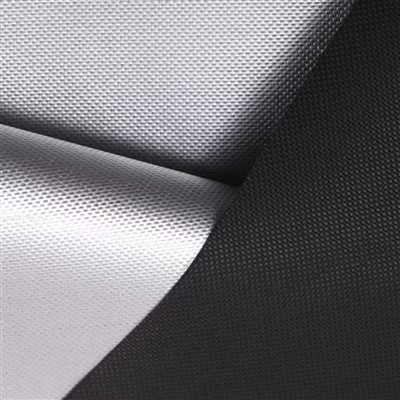
First off, let’s get one thing straight: anti-static fabric’s superpower comes from those tiny conductive fibers woven right into it—usually carbon, metal, or something like conductive polymer. Those fibers don’t just stop working on their own, but they get messed up by external stuff way easier than regular fabric. I’ve had a client send back a batch of cleanroom gowns that were “no longer static-free” and it turned out they’d left them in a loading dock that got direct sunlight for two weeks. The UV rays broke down the conductive fiber’s structure, and boom—useless. So let’s start with the basics: what not to do, then what to do.
Temperature and humidity are the big two here, plain and simple. I know, I know—you’ve heard this a million times for fabrics, but anti-static is specific. I always tell my clients to aim for a storage temp between 15°C and 25°C (that’s 59°F to 77°F for my US peeps) and relative humidity between 40% and 60%. Wait, why that range? Let me explain. If it’s too hot—like, above 30°C (86°F)—the fabric’s polymer base starts to soften, and the conductive fibers can shift or even break. I once had a batch of anti-static lab coats stored above a warehouse heater; when we tested them, their surface resistance was 100x higher than it should be. That’s the kind of thing that ruins a whole production run for someone. Too cold? Below 10°C (50°F) and the fabric gets brittle, especially if it’s a blend with natural fibers like cotton—you’ll get tiny cracks in the conductive weave that you can’t even see with the naked eye, but that messes with static dissipation.
Humidity is trickier. If it’s too dry—below 30% RH—static builds up naturally, and while the conductive fibers are supposed to bleed that off, the dry air makes it harder. I’ve had a client in Arizona complain that their anti-static wipes weren’t working, and it turned out their warehouse was only at 22% RH in winter. They just needed a small humidifier near the storage racks, and that fixed it. Too humid—above 70% RH—and you get mold, mildew, or even the conductive fibers corroding. Metal-based conductive fibers, especially, will rust in high humidity, which makes them stop conducting. That’s a big one for clients who store fabric for long periods—like, over a year. You can’t just stick it in a damp basement and call it good.
Next up, what to keep it away from. Chemicals are the silent killer of anti-static fabric. A lot of people don’t realize that off-gassing from other materials can eat at the conductive fibers or the fabric’s coating. I once had a buyer who stored their anti-static coveralls next to a pallet of regular vinyl workwear, and after three months, the vinyl’s plasticizer had seeped into the anti-static fabric, making it non-conductive. No good. So keep anti-static fabric away from things like solvents, paints, adhesives, cleaners with harsh chemicals, and even some plastics that off-gass. If you have to store it in a shared space, keep it sealed in its original packaging or a breathable, non-reactive bag (like polypropylene, not polyethylene—polyethylene can leave a static charge itself) and labeled clearly so no one stacks chemicals on it.
Direct sunlight and harsh lighting are another no-go. UV rays break down the polymer in the fabric, as I mentioned earlier, and they can also degrade the conductive coating or fibers. Even fluorescent lighting, if it’s extra bright and on 24/7, can cause issues over time. We keep our own warehouse storage areas for anti-static fabric in rooms with LED lights that are low-wattage, and we keep the shades down on windows. If you have to store it in a space with windows, put a thick curtain or cover over the fabric when it’s not being moved. Also, avoid placing it near any kind of heat source—heaters, radiators, vents that blow hot air. Even a small space heater can raise the temp in a closet by 10 degrees, which is enough to mess things up.
How you store it physically matters too. Don’t just pile rolls of anti-static fabric on top of each other like regular fabric. Heavy stacks can crush the conductive fibers, right? The tiny filaments woven in are super delicate. If you stack rolls higher than 3 or 4 deep, the bottom ones will get flattened, and the conductive fibers will break or get compressed, so they can’t do their job. We recommend storing rolls on their sides, on sturdy racks, with enough space between each roll so they don’t touch—no rubbing against each other. Rubbing can create static itself, even on anti-static fabric, and it can also cause the fibers to fray. For cut pieces, like pre-cut gowns or wipes, fold them loosely and stack them in a flat bin with dividers if you have multiple sizes or types. Don’t fold them tight, because that can leave creases where the conductive fibers are damaged. Also, never hang anti-static fabric on regular wire hangers—those can leave static marks or even snag the fabric. If you need to hang it, use non-conductive hangers made of wood or plastic, and leave plenty of space between garments so they don’t touch.
Packaging is part of storage too, believe it or not. When we ship anti-static fabric to clients, we always package it in static-dissipative bags and then place it in a corrugated box that’s also static-protective. But once the client gets it, they shouldn’t just take it out and leave it in the open. If you’re not going to use it right away, keep it in the original static-dissipative packaging until you need it. The packaging is designed to protect it from dust, moisture, and static during storage, so don’t throw it away. Dust is another thing—dust can build up on the fabric’s surface and create a barrier that stops static from dissipating. If the fabric gets dusty, gently vacuum it with a low-suction vacuum (no beater bar, that can damage the weave) or wipe it down with a lint-free cloth dampened with distilled water. Don’t use regular cleaning products, even mild ones—they can leave residues that mess with the anti-static properties.
Wait, what about long-term storage? Like, if you have a batch that you won’t use for 12 months or more. We get this a lot from clients who make custom garments for specific projects that take time to plan. For long-term storage, you need to take extra steps. First, make sure the fabric is completely clean and dry before storing it—any moisture or dirt left on it will attract mold or pests. Then, seal it in a static-dissipative bag, and add a desiccant packet to absorb any excess moisture inside the bag. You can also add a few mothballs if you’re storing fabric with natural fibers, but make sure the mothballs are in a separate wrapper so they don’t touch the fabric directly—they can leave chemical residues. Then, store the sealed bag in a climate-controlled area, like the ones we talked about earlier, away from chemicals and light. Check on it every 3 months or so to make sure there’s no moisture buildup or mold.
I know this sounds like a lot of hoops to jump through, but trust me, it’s way cheaper than having to replace a whole batch of anti-static fabric because you stored it wrong. Last year, a client of ours skipped the humidity control part and stored their fabric in a garage during the summer. The RH hit 80% for a few weeks, and when they tested the fabric, it had a resistance level way too high for cleanroom use. They ended up having to scrap $15k worth of fabric, which could’ve been avoided with a small dehumidifier.
If you’re not sure if your storage space is right, here’s a quick test: grab a cheap multi-meter and check the surface resistance of the fabric every month. The right range is between 10^4 and 10^12 ohms per square—if it’s outside that, you need to adjust your storage conditions. That’s a simple way to catch issues early before they become a big problem.
At the end of the day, anti-static fabric is an investment. It’s made to protect sensitive electronics, medical devices, even people working with flammable materials, so you can’t cut corners on storage. I’ve been selling this stuff long enough to know that most issues aren’t with the fabric itself—they’re with how it’s stored after it leaves our warehouse.
If you’re a buyer who’s struggling with anti-static fabric performance, or you’re looking for a reliable supplier that can hook you up with the right fabric and even storage tips tailored to your space, hit me up. We work with everyone from small startups to big Fortune 500 companies, and we don’t just sell fabric—we help you keep it working as long as possible. Don’t let bad storage ruin your projects; let’s talk through your needs and find the right solution for you.
Fluorescent Fabric References:
- Electrostatic Discharge Association (ESDA). ESD Fabric Storage and Handling Guidelines. ESDA Standard SP5.3-2018.
- International Organization for Standardization (ISO). Textiles for Electrostatic Applications – Part 2: Test Methods for Static Decay and Resistance. ISO 18522-2:2017.
- Occupational Safety and Health Administration (OSHA). Guidelines for Handling and Storing Static-Protective Workwear. OSHA Technical Manual, Section I, Chapter 5.
- American Society for Testing and Materials (ASTM). Standard Practice for In-Plant Handling, Packaging, and Storage of ESD Protective Materials. ASTM D5431-20.
Wujiang Jiashunxin Spray Weaving Co., Ltd.
As one of the most professional anti-static fabric manufacturers and suppliers in China, we’re featured by quality products and good service. We warmly welcome you to wholesale bulk customized anti-static fabric from our factory. If you have any enquiry about free sample, please feel free to email us.
Address: Xingli New Village, Lili Town, Wujiang District, Suzhou City, Jiangsu Province
E-mail: xuzhiqiang20260525@163.com
WebSite: https://www.shunbangfabric.com/
