Let’s cut to the chase—if you’re an industrial facility manager, a construction contractor, or someone who’s ever spent a sweltering Texas summer or a rainy Pacific Northwest workday worrying about outdoor equipment, loading docks, or workspaces, you’ve probably stared at a wobbly, poorly supported industrial awning and thought, “This has to be the worst setup on the entire site.” That wobbly mess? 9 times out of 10, it’s missing the right awning poles. And as a supplier who’s worked with industrial clients for over a decade, I’m here to tell you: yes, there are specialized awning poles for industrial awnings—and no, the ones you can grab at a local home improvement store for your back patio won’t cut it. Let me walk you through what matters, why generic parts fail, and how we’ve helped hundreds of industrial operations fix this exact problem. Awning Pole
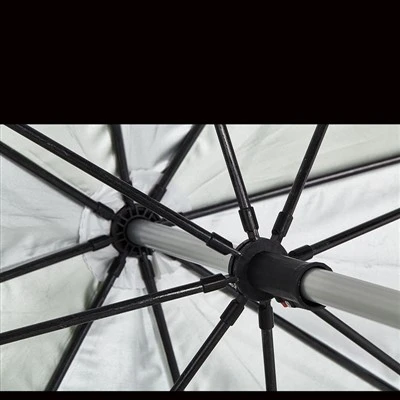
First, let’s get clear on what makes industrial awnings different from your average residential one. Residential awnings are usually for patios, storefronts (small, neighborhood ones), or front doors. They’re sized for human use, designed to handle light rain or a random gust of wind, and held up with flimsy, lightweight aluminum poles that would bend if a full-grown adult leaned on them. Industrial awnings? They’re built for work—big, heavy, spanning loading docks, construction equipment yards, warehouse receiving bays, or outdoor storage areas. A single industrial awning can be 50 feet wide, 20 feet tall, and hold up under 20 pounds of snow, 60+ mph wind gusts, and consistent, year-round exposure to harsh UV rays, industrial-grade chemicals (think: a nearby paint shop or chemical storage), and abrasive dust from loading yard traffic.
That’s why the awning poles that work for residential awnings are a non-starter here. A residential pole might be made of thin-gauge aluminum (16 gauge or thinner), which is fine for holding up a 10×10 foot patio awning. But an industrial awning needs poles that are thick enough to bear not just the weight of the fabric, but the weight of snow, ice, wind uplift, and even occasional impact from a stray forklift or cart. Generic poles will warp, bend, or snap under that kind of stress—leading to awning collapse, costly repairs, downtime for loading docks, or even safety hazards for workers. I’ve seen it too many times: a small manufacturing plant tried to save $200 on residential poles for their 40-foot loading dock awning, and a 10-inch rainstorm with 40 mph winds came through, folding the awning into the loading bay and shutting down operations for 3 days. They ended up paying 10x that amount to replace both the awning and the poles—plus lost revenue from delayed shipments.
So, what makes industrial awning poles specifically designed for this use case? Let’s break down the key features that set them apart, from the perspective of someone who specs these for clients every day.
First, material science is non-negotiable. Industrial poles can’t be flimsy aluminum. We use two primary materials for our industrial awning poles: heavy-gauge structural aluminum (10 gauge or thicker) and hot-dipped galvanized steel. Wait, I know what you’re thinking—galvanized steel sounds heavy, but for industrial applications, it’s a game-changer. Galvanized steel is coated in zinc, which protects it from rust and corrosion when it’s exposed to industrial elements like road salt, chemical sprays, or constant moisture. Structural aluminum is lighter than steel, but still far thicker than residential aluminum, so it’s good for applications where weight is a concern (like rooftop awnings) or where you need to move the poles occasionally for temporary setups.
Second, load ratings are tailored to industrial conditions. Every industrial awning pole we manufacture has a published load rating—we don’t sell a “one size fits all” pole. We test each pole under simulated snow loads, wind uplift, and side pressure to make sure it meets or exceeds industry standards (more on that later). For example, a loading dock awning might need poles rated for 1,500 pounds of vertical load (for snow) and 800 pounds of side load (for wind or impact), while a smaller construction equipment shade awning might need a lower vertical load but higher impact resistance. That level of specificity is impossible with generic poles, which don’t list any meaningful load ratings at all.
Third, design features that industrial environments need. We don’t just make a straight pole—we add things like reinforced base plates that bolt directly to concrete or steel (no wobbly stands that can slide around when a forklift drives by), adjustable height collars that let you fine-tune the pole to uneven ground or changing awning tension, and UV-resistant caps that prevent sun damage to the top of the pole (which also helps with water pooling at the joint). Some of our poles also have reinforced brackets that attach directly to building structures, which is perfect for awnings mounted to warehouse walls or overhead beams. We even make crash guards for poles that are placed near forklift traffic—these are thick rubber or steel sleeves that take the impact, so you don’t have to replace a $500 pole every time a worker backs a cart into it.
Now, let’s talk about why so many people get this wrong. It’s easy to assume that a pole is a pole, right? But when you’re dealing with industrial assets, the cost of a mistake isn’t just money—it’s downtime, safety risks, and compliance issues. OSHA has guidelines for temporary and permanent outdoor work structures, including awnings, that require structural components to be able to withstand expected loads. If your awning fails because you used the wrong poles, that could be a compliance issue if a worker is injured. I’ve had clients come to me after OSHA inspections flagged their flimsy awning supports—they had to replace their entire pole system in a week to get back into compliance, and they said it would have been way cheaper to do it right the first time.
Another common mistake is not accounting for environmental factors specific to your site. A facility in the Midwest, where snow loads are heavy, needs poles with higher vertical load ratings than a facility in Florida, where hurricanes bring high wind uplift. A plant in a coastal area has to deal with salt air, which accelerates corrosion—so galvanized steel or marine-grade aluminum poles are a must, not just a nice-to-have. A plant in the desert has to deal with extreme UV exposure, which can make thin aluminum poles brittle over time—so we use thicker, high-grade aluminum that’s been powder-coated to resist fading and brittleness.
Let’s get into a real example of how this works. Last year, we worked with a large logistics company in Chicago that had 12 loading dock awnings across their 3-site campus. They had been using residential-grade poles for 5 years, and every winter, at least one pole would bend under 18 inches of snow, causing the awning to sag or tear. They tried reinforcing the existing poles with extra metal straps, but that only lasted one season. When they came to us, we worked with their engineering team to spec the right poles: hot-dipped galvanized steel poles rated for 2,000 pounds of vertical load and 60 mph wind resistance, with reinforced base plates bolted directly to their concrete dock aprons. We also added adjustable height collars so they could fine-tune the tension of each awning, which reduced stress on the poles even more. The total cost was 30% higher than the generic poles they were using, but 2 years later, they haven’t had a single pole failure. They calculated that the downtime and repair costs they saved in those 2 years alone paid for the entire pole system.
Wait, but what if you have a temporary industrial awning, not a permanent one? A lot of construction sites use temporary awnings to cover work areas or stored materials, and they need poles that are easy to set up and take down, but still durable. We make temporary industrial awning poles too—they’re made of lightweight but high-strength aluminum, have quick-connect fittings, and are designed to be assembled without special tools. They still have load ratings that meet construction industry standards, so they can handle wind and rain on a temporary site. I’ve worked with general contractors who use these poles for bridge construction projects, road work, and equipment storage—they love that they don’t have to rent heavy equipment to install them, but they also don’t have to worry about the poles failing halfway through a job.
Now, let’s address some common questions I get from clients. One of the first questions is: do I need to custom-make poles, or can I get them off the shelf? The answer is both. We keep a large inventory of standard-sized industrial awning poles (10 feet, 15 feet, 20 feet, 25 feet tall, in various thicknesses) that work for most common loading dock and equipment shade applications. But if you have a unique setup—like an awning that spans 60 feet over a custom storage area, or a site with uneven ground that needs custom height adjustments—we can make custom poles to fit your exact needs. We also work with architects and engineers to make sure the poles meet whatever specifications they have, whether that’s for a new construction project or a retrofit of an existing awning system.
Another question: how long do these industrial poles last? That depends on the material and how well they’re maintained. Our galvanized steel poles have a lifespan of 20+ years in most industrial environments, as long as you keep the base plates clean and free of debris. Our structural aluminum poles last even longer, because they don’t rust at all. We recommend a quick inspection every 6 months to check for any dents, bends, or corrosion, which is way easier than dealing with a full awning failure.
I know switching from generic poles to industrial-grade ones can feel like an extra expense, but here’s the thing: for industrial operations, downtime is expensive. A loading dock shutting down for 3 days can cost a logistics company tens of thousands of dollars in delayed shipments. A construction site having to pause work because a temporary awning collapsed can push project timelines back, leading to penalties for missing deadlines. Investing in the right awning poles isn’t just a maintenance cost—it’s an investment in keeping your operations running smoothly, keeping workers safe, and avoiding costly repairs down the line.
At the end of the day, awning poles for industrial awnings aren’t a luxury—they’re a necessity. Generic residential or lightweight poles can’t handle the loads, environmental stress, and daily use that industrial facilities put on their awnings. Whether you’re managing a loading dock, a construction site, a warehouse storage area, or any other industrial space that uses awnings, using specialized industrial awning poles is the only way to make sure your awnings work when you need them to.
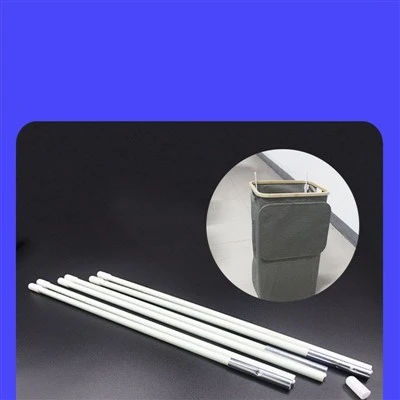
If you’re currently dealing with wobbly poles, frequent awning failures, or just want to upgrade your system to be more reliable, don’t waste another day on generic parts. Reach out to us to discuss your specific needs—whether you need standard off-the-shelf poles, custom-sized options, or help with engineering specs for a new installation. We’ve worked with hundreds of industrial clients, and we can help you find the right solution that fits your budget and your site’s unique requirements.
Camping Tent Pole References:
- Occupational Safety and Health Administration (OSHA) Standards for Temporary Structures and Worksite Awnings, 29 CFR 1926 Subpart M.
- American Society of Civil Engineers (ASCE) 7-22: Minimum Design Loads and Associated Criteria for Buildings and Other Structures.
- International Building Code (IBC) 2021: Requirements for Exterior Shade Structures and Awning Supports.
Shaoxing Longfan New Materials Technology Co., Ltd.
With abundant experience, we are one of the most professional awning pole manufacturers and suppliers in China. We warmly welcome you to wholesale customized awning pole at competitive price from our factory. If you have any enquiry about cooperation, please feel free to email us.
Address: Zhangzhen Industrial Park, Zhangzhen Town, Shangyu District, Shaoxing City, Zhejiang Province (No. 1118 Shunyang Road)
E-mail: 237367356@qq.com
WebSite: https://www.longfancomposites.com/
