Hey there! As a supplier of anti-static raised floors, I often get asked a whole bunch of questions from customers. One question that pops up quite frequently is, “Are anti-static raised floors resistant to chemicals?” It’s a great question, and I’m gonna dive deep into this topic in today’s blog. Anti Static Raised Floor
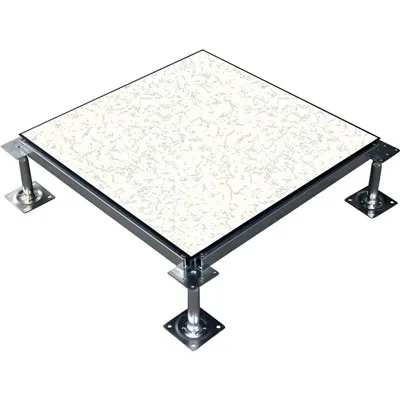
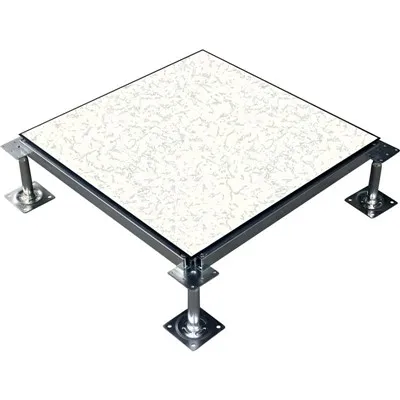
First off, let’s quickly go over what anti-static raised floors are. These floors are designed to prevent the build – up of static electricity. In environments like data centers, laboratories, and electronics manufacturing plants, static electricity can cause serious damage to sensitive equipment. Anti – static raised floors do their job by providing a conductive path for the static charges to move safely to the ground.
Now, onto the big question about chemical resistance. The chemical resistance of anti – static raised floors depends a whole lot on the materials they’re made from. There are several common materials used in these floors, each with its own level of resistance to different chemicals.
Materials and Their Chemical Resistance
Steel Floors
Steel is a popular material for anti – static raised floors. It’s strong, durable, and can handle a fair amount of wear and tear. When it comes to chemical resistance, well, it’s a bit of a mixed bag. Steel is generally resistant to water and some mild acids and alkalis. For example, it can withstand exposure to diluted acetic acid, which is commonly found in some cleaning solutions.
However, steel is highly susceptible to corrosion when exposed to strong acids like sulfuric acid or hydrochloric acid. Even a short – term exposure to these strong acids can cause rust and pitting on the surface of the steel floor. This can not only compromise the anti – static properties of the floor but also weaken its structural integrity over time.
Aluminium Floors
Aluminium floors are another option. They’re lightweight and offer good electrical conductivity. In terms of chemical resistance, aluminium has a natural oxide layer that provides some protection against corrosion. It can resist many mild chemicals, including some types of solvents.
But just like steel, aluminium won’t hold up well against strong acids. However, it may be more resistant to alkalis compared to steel. For instance, it can tolerate exposure to some weak sodium hydroxide solutions for a limited period. But if the concentration of the alkali is too high or the exposure is prolonged, the oxide layer can break down, leading to corrosion.
Wood – Core Floors with Anti – Static Laminates
These floors have a wood core covered with an anti – static laminate. The wood core itself is not very resistant to chemicals. Water can cause the wood to swell and warp, and many chemicals can damage the wood fibers.
The anti – static laminate, on the other hand, can vary in its chemical resistance. Some high – quality laminates are designed to resist common chemicals found in office or industrial settings, such as alcohol – based cleaners. But they may not be suitable for environments with heavy chemical spills, like chemical processing plants.
PVC (Polyvinyl Chloride) Floors
PVC is a synthetic material that is often used for anti – static raised floors. It offers excellent chemical resistance in many cases. PVC can resist a wide range of chemicals, including many acids, alkalis, and solvents. It’s a great choice for environments where chemical spills are a possibility, such as laboratories or some manufacturing facilities.
However, even PVC has its limits. Some strong oxidizing agents can cause damage to PVC over time. For example, fuming nitric acid can attack and degrade the PVC material.
Factors Affecting Chemical Resistance
It’s not just the material that matters when it comes to the chemical resistance of anti – static raised floors. There are other factors at play too.
Concentration of the Chemical
The higher the concentration of a chemical, the more likely it is to cause damage to the floor. A diluted solution of a chemical may have little to no effect on a floor, while a concentrated form can be extremely corrosive. For example, a 1% solution of hydrochloric acid may not harm an aluminium floor much, but a 37% solution can eat away at it in no time.
Duration of Exposure
How long the floor is exposed to the chemical also makes a big difference. A quick spill that’s cleaned up right away may not cause any long – term damage. But if a chemical sits on the floor for hours or days, it’s much more likely to corrode the material and compromise the anti – static properties of the floor.
Temperature
Temperature can have an impact on chemical reactions. Higher temperatures generally speed up chemical reactions. So, if a chemical is spilled on a floor in a hot environment, it may cause more damage more quickly compared to a cooler environment.
Assessing Your Needs
If you’re considering buying anti – static raised floors and you’re dealing with chemicals in your environment, you need to assess your needs carefully.
First, make a list of all the chemicals that are likely to come in contact with the floor. Note down their concentration levels and how often spills might occur. Then, based on this information, choose the type of anti – static raised floor that offers the best chemical resistance for your specific situation.
If you’re working in a data center where the main concern is occasional spills of cleaning agents, a steel or aluminium floor with a good protective coating might be sufficient. But if you’re in a chemical laboratory or manufacturing plant with regular exposure to strong chemicals, a PVC floor would probably be a better choice.
Our Role as a Supplier
As an anti – static raised floor supplier, we’re here to help you make the right choice. We have a wide range of products made from different materials, each with its own set of properties. Our team can work with you to understand your specific requirements, including your chemical exposure risks.
We can also provide you with information on how to maintain the chemical resistance of your floors. For example, we can tell you the best cleaning agents to use and how to handle chemical spills properly.
If you’re in the process of setting up a new facility or renovating an existing one and you’re not sure which anti – static raised floor is right for you, don’t hesitate to reach out to us. We can arrange for a site visit to assess your needs in person and give you a customized solution.
In conclusion, anti – static raised floors can have varying levels of chemical resistance depending on the materials they’re made from and the conditions they’re exposed to. By understanding your needs and working with a reliable supplier, you can ensure that you get a floor that not only prevents static electricity but also stands up to the chemicals in your environment.
If you’re thinking about purchasing anti – static raised floors and want to have a chat about your options, feel free to contact us. We’re always here to help you find the perfect solution for your business.
Anti Static Technical Floor References
- Building Materials Handbook, 5th Edition
- Industrial Flooring: Materials and Applications Guide
- Journal of Materials Science and Engineering: Special Issue on Antistatic and Chemical – Resistant Materials
Fineco Tech Co., Ltd.
As one of the most professional anti static raised floor manufacturers and suppliers in China, we’re featured by quality products and good service. Welcome to wholesale customized anti static raised floor made in China here from our factory. If you have any enquiry about cooperation, please feel free to email us.
Address: Wuyue Square, Wujin District, Changzhou, Jiangsu, China
E-mail: info@finecotech.com
WebSite: https://www.finecoglobal.com/
