Hey there! I’m a supplier in the frozen food packaging business, and today I wanna chat about how our packaging does an amazing job of protecting against moisture. It might seem like a small thing, but moisture can really mess up frozen food, so getting the packaging right is super important. Frozen Food Packaging
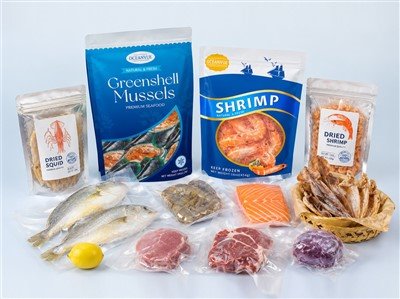
First off, let’s talk about why moisture is such a big deal for frozen food. When frozen food is exposed to moisture, it can lead to all sorts of problems. One of the most common issues is freezer burn. You know that white, dry, and leathery stuff you sometimes see on the surface of frozen food? That’s freezer burn, and it’s caused by moisture evaporating from the food and then re – freezing on the surface. This not only makes the food look unappetizing but also changes its texture and taste. The food can become dry, tough, and lose its original flavor.
Another problem is the growth of bacteria and mold. Moisture provides a perfect environment for these microorganisms to thrive. Even in the freezer, if there’s enough moisture, bacteria and mold can start to grow, which can make the food unsafe to eat. So, keeping moisture out of the packaging is crucial for both the quality and safety of the frozen food.
Now, let’s get into how our frozen food packaging protects against moisture. One of the key materials we use is plastic. Plastic is a great barrier against moisture because it doesn’t let water vapor pass through easily. We use different types of plastic, like polyethylene and polypropylene. These plastics are strong, flexible, and have low water vapor transmission rates.
Polyethylene, for example, is a very common plastic in frozen food packaging. It comes in different densities, and we choose the right one depending on the specific needs of the food. Low – density polyethylene (LDPE) is more flexible and is often used for things like freezer bags. It can stretch and conform to the shape of the food, creating a tight seal that keeps moisture out. High – density polyethylene (HDPE) is stronger and more rigid. It’s used for containers that need to hold their shape, like frozen food trays.
Polypropylene is another great option. It has excellent moisture resistance and is also heat – resistant. This means it can withstand the low temperatures of the freezer without becoming brittle. We use polypropylene for things like lids and some types of rigid containers.
In addition to plastic, we also use aluminum foil in our packaging. Aluminum foil is an excellent moisture barrier. It’s completely impermeable to water vapor, which means it can keep moisture out very effectively. We often use it in combination with plastic. For example, we might have a plastic container with an aluminum foil lid. The plastic provides the structure and flexibility, while the aluminum foil seals in the food and keeps moisture at bay.
Another important aspect of our packaging is the sealing process. A good seal is essential for keeping moisture out. We use different sealing methods, depending on the type of packaging. For bags, we use heat sealing. When we heat the plastic, it melts and fuses together, creating a strong, airtight seal. This seal prevents moisture from getting in or out of the bag.
For containers, we use different types of closures. Some containers have snap – on lids that create a tight seal. Others have screw – on lids. These closures are designed to fit snugly and prevent moisture from seeping in. We also test the seals to make sure they’re effective. We use machines that can measure the airtightness of the packaging to ensure that it meets our quality standards.
We also pay attention to the design of the packaging. The shape and size of the package can affect how well it protects against moisture. For example, we try to minimize the amount of air space inside the package. Air can hold moisture, so the less air there is, the less chance there is for moisture to accumulate. We use vacuum – sealing techniques in some cases to remove as much air as possible from the package before sealing it.
Another design consideration is the surface area of the package. A larger surface area means more exposure to the environment, which increases the risk of moisture getting in. So, we design our packages to have the smallest surface area possible while still being able to hold the food.
Now, let’s talk about how our packaging adapts to different types of frozen food. Different foods have different moisture requirements. For example, frozen fruits and vegetables tend to have a higher water content than frozen meats. So, we need to use packaging that can handle the extra moisture.
For frozen fruits and vegetables, we use packaging that has a little more flexibility. This allows the package to expand and contract as the food freezes and thaws. We also use packaging that can absorb a small amount of moisture. Some of our plastic bags have a special coating that can absorb moisture without letting it reach the food.
For frozen meats, we focus more on preventing freezer burn. We use packaging that has a very tight seal and a good moisture barrier. Aluminum foil is often a great choice for frozen meats because it can keep the moisture in and prevent the formation of ice crystals on the surface of the meat.
We also understand that our customers have different needs. Some customers might be looking for packaging that’s easy to open and reseal. Others might be more concerned about the environmental impact of the packaging. That’s why we offer a variety of packaging options.
For customers who want easy – to – open and reseal packaging, we have bags with zipper closures. These zippers make it easy to open the bag, take out some of the food, and then reseal it to keep the rest fresh.
For customers who are environmentally conscious, we’re working on developing more sustainable packaging options. We’re looking at using biodegradable plastics and recycled materials. These materials can still provide good moisture protection while being more friendly to the environment.
In conclusion, our frozen food packaging is designed to protect against moisture in a variety of ways. We use high – quality materials like plastic and aluminum foil, employ effective sealing methods, and pay attention to the design of the package. Whether you’re a small grocery store or a large food distributor, our packaging can help keep your frozen food fresh and safe.
If you’re interested in learning more about our frozen food packaging solutions or want to discuss a potential purchase, don’t hesitate to reach out. We’re always happy to have a chat and see how we can meet your needs.
Beverage Packaging Solutions References:
- Packaging Technology for Food Products, Second Edition by Desmond O. Scanlon and Robert J. Shaffer
- Food Packaging: Principles and Practice by Yam K.L., Takhistov P.V., and Miltz J.
Qingdao Senlida Packing Co., Ltd.
Qingdao Senlida Packing Co., Ltd. is one of the most experienced frozen food packaging manufacturers and suppliers in China since 1995. With a professional production team, we are able to meet the needs of the majority of our customers. Please feel free to buy high quality packing products at competitive price from our factory.
Address: No.299 Feichao Road, Luwang Town, Huangdao District, Qingdao, Shandong Province, China.
E-mail: liuxh@qdsenlida.com
WebSite: https://www.senlidapacking.com/
