In the dynamic landscape of modern construction, prefabricated cabin enclosures have emerged as a popular solution, offering a range of benefits such as rapid installation, cost – effectiveness, and design flexibility. As a supplier of prefabricated cabin enclosures, I have witnessed firsthand the growing demand for these structures. However, it is essential to provide a balanced view and delve into the potential disadvantages that customers should be aware of before making a purchasing decision. Prefabricated Cabin Enclosure

1. Limited Customization in Some Cases
One of the primary drawbacks of prefabricated cabin enclosures is the potential limitation in customization. While many prefabricated cabin suppliers, including ourselves, offer a certain degree of design flexibility, there are inherent constraints. The prefabrication process often relies on standardized components and modules to ensure efficiency and cost – savings.
For instance, if a customer has very specific and unique design requirements, such as an irregular shape or non – standard dimensions, it may be challenging to accommodate these requests. The prefabrication facilities are typically set up to produce structures within a certain range of sizes and configurations. This can be a significant disadvantage for clients who have a vision for a highly customized cabin that goes beyond the standard offerings.
Moreover, some aspects of customization, such as integrating complex electrical or plumbing systems, can be more difficult in prefabricated cabins. The pre – engineered nature of these structures means that adding intricate systems may require significant modifications, which can increase costs and lead to longer lead times.
2. Transportation Challenges
Transporting prefabricated cabin enclosures can present several challenges. These structures are often large and bulky, which makes them difficult to move. The size and weight of the prefabricated units can limit the transportation options available. For example, if the cabin is too large, it may not fit on standard trucks or trailers, requiring special transportation arrangements.
Long – distance transportation can also be a concern. During transit, the cabin enclosures are exposed to various environmental conditions and potential hazards. There is a risk of damage during loading, unloading, and the journey itself. Vibrations, bumps, and adverse weather conditions can all cause structural damage to the prefabricated units. This not only adds to the cost in terms of potential repairs but also delays the installation process.
In addition, transportation costs can be a significant factor. The cost of shipping large prefabricated structures can be high, especially for international or long – distance deliveries. These costs are often passed on to the customer, increasing the overall price of the cabin enclosure.
3. Site – Specific Issues
Prefabricated cabin enclosures need to be installed on a suitable site. However, not all sites are ideal for these structures. The ground conditions play a crucial role in the installation process. If the site has soft or uneven ground, additional foundation work may be required. This can add to the overall cost and time of the project.
For example, in areas with high water tables or unstable soil, a more robust foundation system, such as a deep – pile foundation, may be necessary. This is in contrast to traditional on – site construction, where the foundation can be more easily adapted to the specific ground conditions during the building process.
Another site – specific issue is the availability of utilities. Prefabricated cabin enclosures need to be connected to water, electricity, and sewage systems. If the site is remote or lacks proper infrastructure, it can be challenging and costly to connect the cabin to these essential services.
4. Perception and Aesthetics
In some cases, prefabricated cabin enclosures may face a perception problem. There is a common misconception that prefabricated structures are of lower quality or lack the charm and character of traditional buildings. This perception can be a significant disadvantage, especially for customers who are looking for a high – end or aesthetically pleasing structure.
The exterior appearance of prefabricated cabins may also be limited. While efforts are made to design attractive and modern prefabricated enclosures, the use of pre – engineered components can sometimes result in a more uniform or generic look. This may not appeal to customers who are seeking a unique and distinctive building design.
5. Durability Concerns
Although prefabricated cabin enclosures are designed to be durable, there can be concerns regarding their long – term durability. The materials used in prefabrication may not always be as robust as those used in traditional construction. For example, some prefabricated cabins may use lighter – weight materials to reduce transportation costs and facilitate assembly. These materials may be more prone to damage from extreme weather conditions, such as strong winds, heavy snow, or hail.
In addition, the joints and connections in prefabricated structures can be a potential weak point. Proper sealing and reinforcement are crucial to ensure the integrity of the structure. If these joints are not properly installed or maintained, they can lead to water leakage, which can cause damage to the interior of the cabin and compromise its structural stability over time.
6. Limited Resale Value
Prefabricated cabin enclosures may have a limited resale value compared to traditional buildings. The perception of lower quality and the potential for wear and tear over time can make it more difficult to sell these structures at a high price. In addition, the market for prefabricated cabins may be more niche, which can limit the pool of potential buyers.
The resale value can also be affected by the specific design and features of the prefabricated cabin. If the cabin has a non – standard or outdated design, it may be less attractive to potential buyers. This can result in a lower resale price and a longer time on the market.
Conclusion
While prefabricated cabin enclosures offer many advantages, it is important for customers to be aware of the potential disadvantages. As a supplier, I believe in providing transparent information to our customers so that they can make informed decisions.
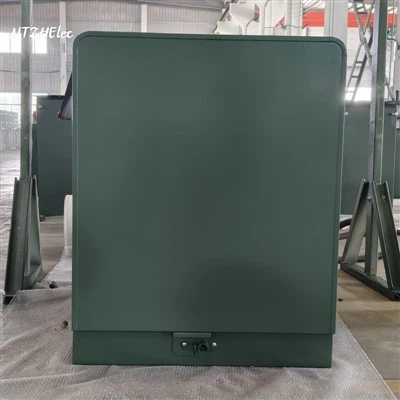
Despite these drawbacks, prefabricated cabin enclosures still have a lot to offer, such as speed of installation, cost – effectiveness, and energy efficiency. We are constantly working to address these issues and improve the quality and design of our products.
Transformer Oil Tank If you are considering purchasing a prefabricated cabin enclosure and would like to discuss how we can meet your specific needs while minimizing these potential disadvantages, please feel free to reach out to us. Our team of experts is ready to assist you in finding the best solution for your project.
References
- "Prefabricated Building Systems: Design, Fabrication, and Assembly" by David J. Langdon
- "The Future of Prefabrication in Construction" by Construction Industry Institute
- "Structural Design of Prefabricated Buildings" by American Society of Civil Engineers
Nantong Zhihe Electric Co., Ltd.
As one of the most professional prefabricated cabin enclosure manufacturers and suppliers in China, we’re featured by quality products and low price. Please rest assured to wholesale cheap prefabricated cabin enclosure made in China here from our factory. Customized orders are welcome.
Address: NO.202 Jianghai West Road, Hai’an Town, Hai’an City, Jiangsu Province
E-mail: colt.ntzh@gmail.com
WebSite: https://www.ntzhelectric.com/
